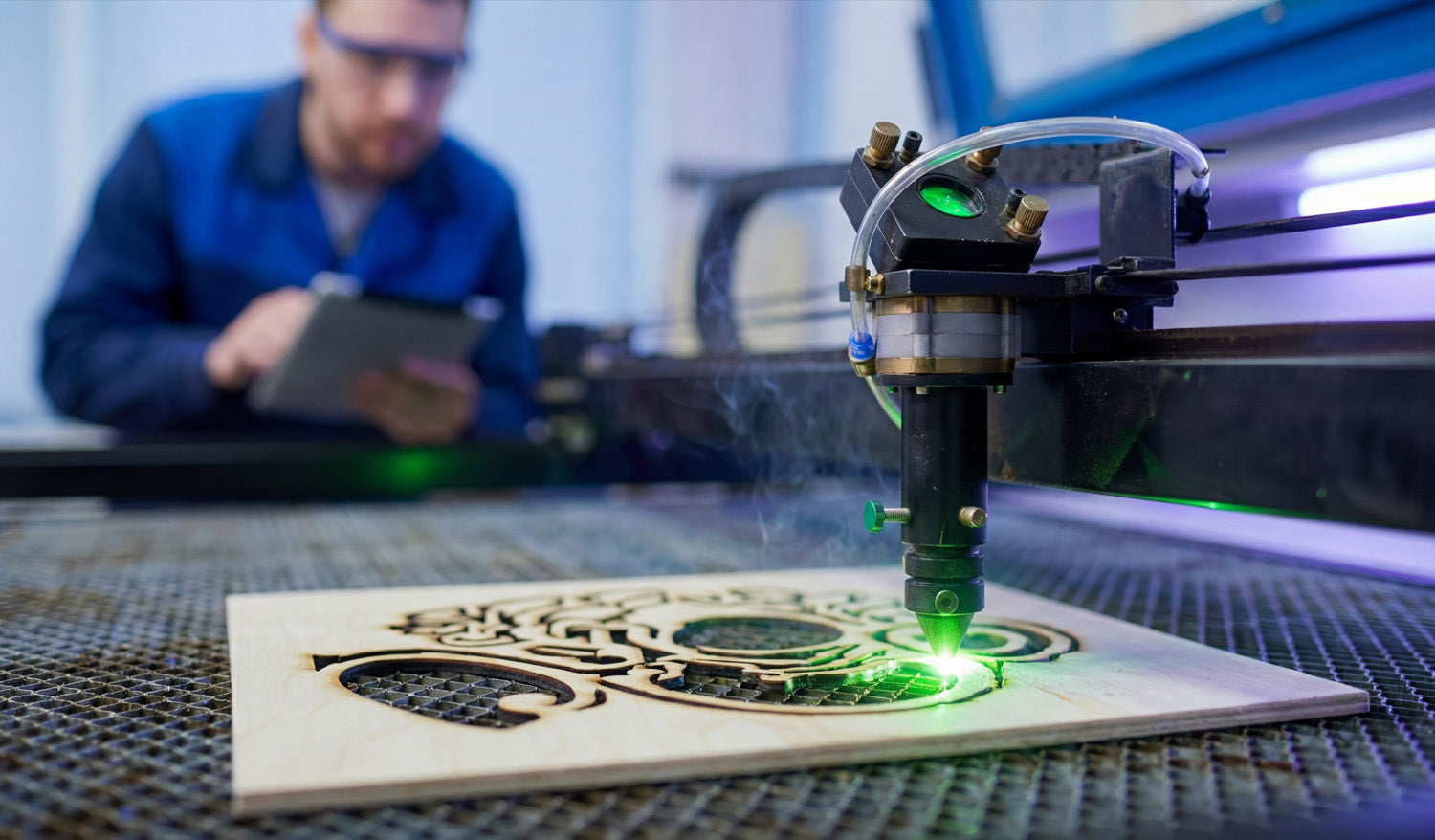
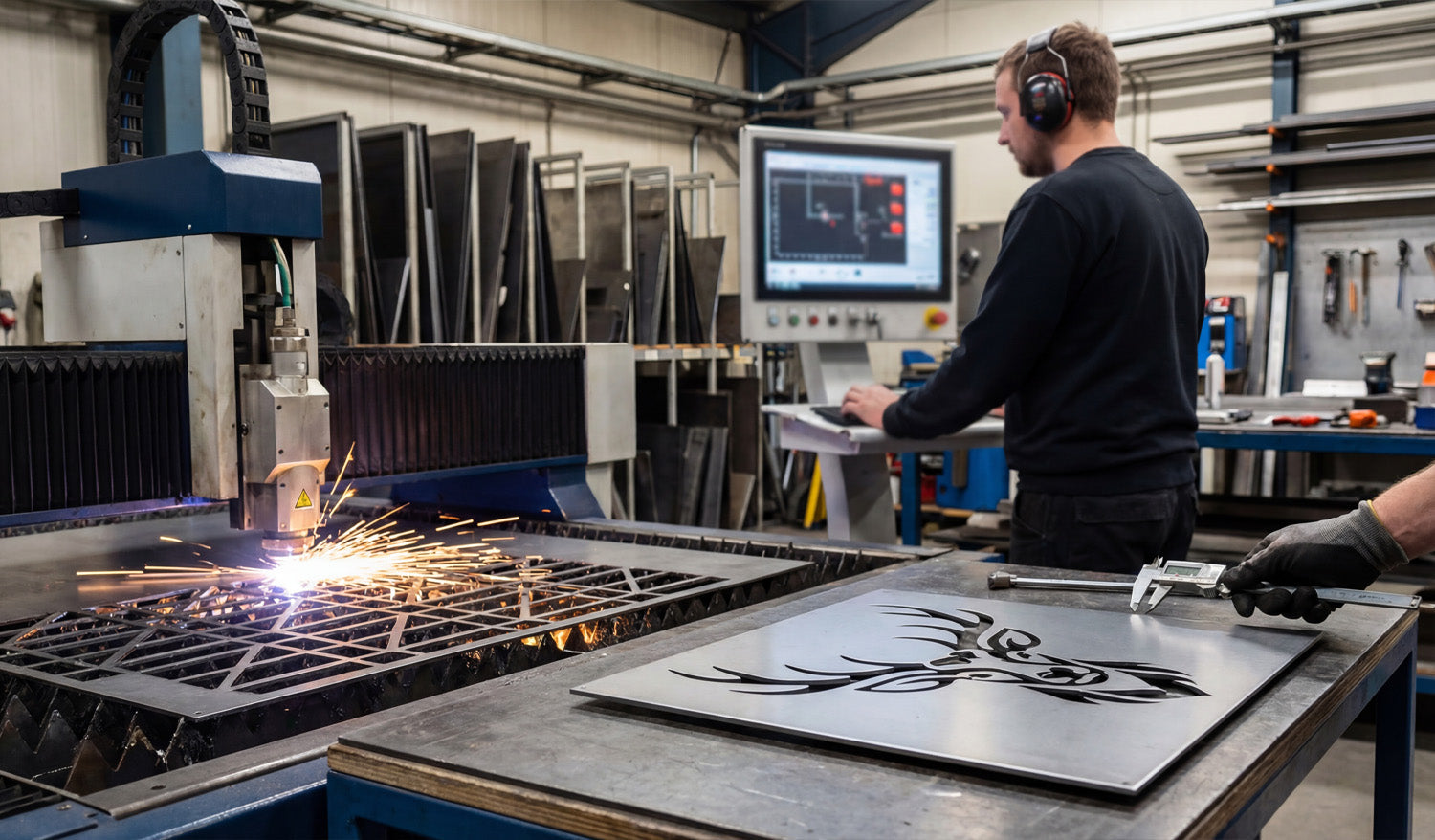
CNC for hobbyists becomes a lot more fun and a lot less frustrating when you understand how to use DXF files for your personal projects—whether you are making wall art, workshop jigs, cosplay props, or custom gifts.
What Is a DXF File and Why Should Hobbyists Care?
DXF (Drawing Exchange Format) is a vector file type that stores shapes as lines, arcs, and curves instead of pixels. For a hobby CNC user, this means:
- Clean shapes: Your CNC follows exact paths instead of “fuzzy” edges from images.
- Easy scaling: You can resize designs without losing quality.
- Wide compatibility: Most CAD, CAM, and CNC programs can import DXF files directly.
If you have ever tried to cut from a JPG and ended up with messy toolpaths, switching to DXF will feel like a big upgrade.
Typical DXF-Based Projects for CNC Hobbyists
DXF files are perfect for many personal CNC projects, including:
- Decorative wall art and signs in wood, metal, or acrylic.
- Workshop jigs, templates, and measuring tools.
- Custom name plates, key holders, and door signs.
- Cosplay and prop parts cut from foam, MDF, or plastic.
- Layered 3D panels and inlays for furniture or decor.
Instead of drawing everything from scratch, you can start from ready-made DXF designs and adapt them to your own style.
Step 1: Choose the Right CNC Machine and Material
Before you download or design any DXF, think about what you are cutting with and what you are cutting into.
- Laser cutters: Great for thin wood, MDF, acrylic, and light engraving.
- CNC routers: Ideal for plywood, solid wood, plastics, and soft metals (with the right setup).
- Small plasma tables: Good for hobby metal art and brackets, but with a wider kerf than lasers.
Once you know your machine and typical material thickness, you can pick DXF designs that match what your setup can realistically handle.
Step 2: Find or Download DXF Files for Personal Use
You do not need to be a CAD expert to enjoy CNC. There are many ready-to-use DXF designs made for hobbyists. Look for:
- Free sample files: Many sites (including ours) offer free DXF files you can try on your machine.
- Project-based bundles: Collections focused on wall art, animals, signs, or workshop tools.
- License clarity: Check whether a file is allowed for personal use only or also for selling finished products.
Starting with proven DXF files lets you test your machine and settings before you move on to your own custom designs.
Step 3: Open DXF Files in Your CAD or CAM Software
Once you have a DXF file, the next step is to bring it into software that connects to your CNC.
- Import the DXF into your CAM program or CAD/CAM combo software.
- Check the scale and units (millimeters or inches) and measure one known dimension.
- Make sure all shapes are closed paths with no gaps or duplicated lines.
- Separate cut lines and engraving lines onto different layers or colors if your software supports it.
This quick check prevents surprises like oversized parts or incomplete cuts when you start the job.
Step 4: Resize and Customize DXF Files for Your Project
One of the best parts of DXF-based projects is how easy it is to customize them for your space or ideas.
- Scale up or down: Adjust the overall size to fit your material and project area.
- Add holes or slots: Include mounting holes, hooks, or screw points for hanging and assembly.
- Edit text: Replace generic words with names, dates, or quotes.
- Combine designs: Merge two or more DXF files into one unique layout.
Just remember that if you scale a design too small, very thin details might become too weak to cut cleanly.
Step 5: Match Detail Level to Your Hobby CNC Setup
Not every hobby machine can cut ultra-fine detail, and that is okay. The key is to match design complexity to your tool.
- For small lasers, you can keep more detail in thin plywood or acrylic, but still avoid hairline bridges.
- For desktop routers, make sure narrow gaps are wider than your bit diameter.
- For hobby plasma, use bold shapes and thicker webs so parts stay strong.
If a DXF looks extremely detailed on screen, consider simplifying it a bit before cutting on a small or entry-level machine.
Step 6: Set Up Toolpaths and Cutting Parameters
With the DXF imported and adjusted, it is time to tell your machine how to move.
- Assign inside cuts for holes and internal shapes, and outside cuts for outer profiles.
- Select feed rates, speeds, power, and depth based on your material and tool.
- Add tabs if necessary so small parts do not shift or fall out during cutting.
- Simulate the job in your CAM software to confirm the order and direction of cuts.
Even as a hobbyist, taking a moment to simulate toolpaths can save material and frustration.
Step 7: Run Test Cuts and Keep Notes
Your first cut with a new DXF is a learning experience. Treat it like a test run, not a failure if something needs adjustment.
- Use scrap material or cut a smaller version of the design first.
- Note which settings produced clean edges and good fits.
- Adjust scaling, kerf compensation, or feed rates if holes are tight or edges look rough.
- Write your best settings on a label, in a notebook, or in a digital log for next time.
Over time, your personal notes become a hobby “playbook” that makes future projects much easier.
Safety and Practical Tips for Hobby CNC Users
Even for personal projects in a garage or small workshop, safety and basic practice still matter.
- Wear eye protection and follow your machine’s safety guidelines.
- Use proper dust collection or ventilation when cutting wood, plastics, or metals.
- Secure your material firmly to avoid shifting or tipping during cuts.
- Stay nearby while the machine is running, especially on new designs.
A careful approach keeps CNC as an enjoyable hobby instead of a stressful one.
Ideas to Grow Your CNC Hobby with DXF Files
Once you are comfortable using DXF files, you can:
- Build a small library of favorite designs that you reuse for gifts and personal decor.
- Experiment with layered projects using multiple DXF shapes stacked at different depths.
- Create custom fixtures and jigs that make your other DIY projects easier.
- Slowly move toward selling finished pieces locally or online, if the license on your DXF files allows it.
The more you practice, the more your CNC hobby turns into a powerful creative tool for both fun and potentially side income.
Conclusion
For hobbyists, DXF files are the key to unlocking the full potential of small CNC machines. They let you start from clean, accurate designs, customize them to fit your ideas, and run them confidently on lasers, routers, or plasma tables. With a simple workflow—find a DXF, clean it, customize it, test it—you can turn personal project ideas into real, physical pieces that look professional even in a home workshop.