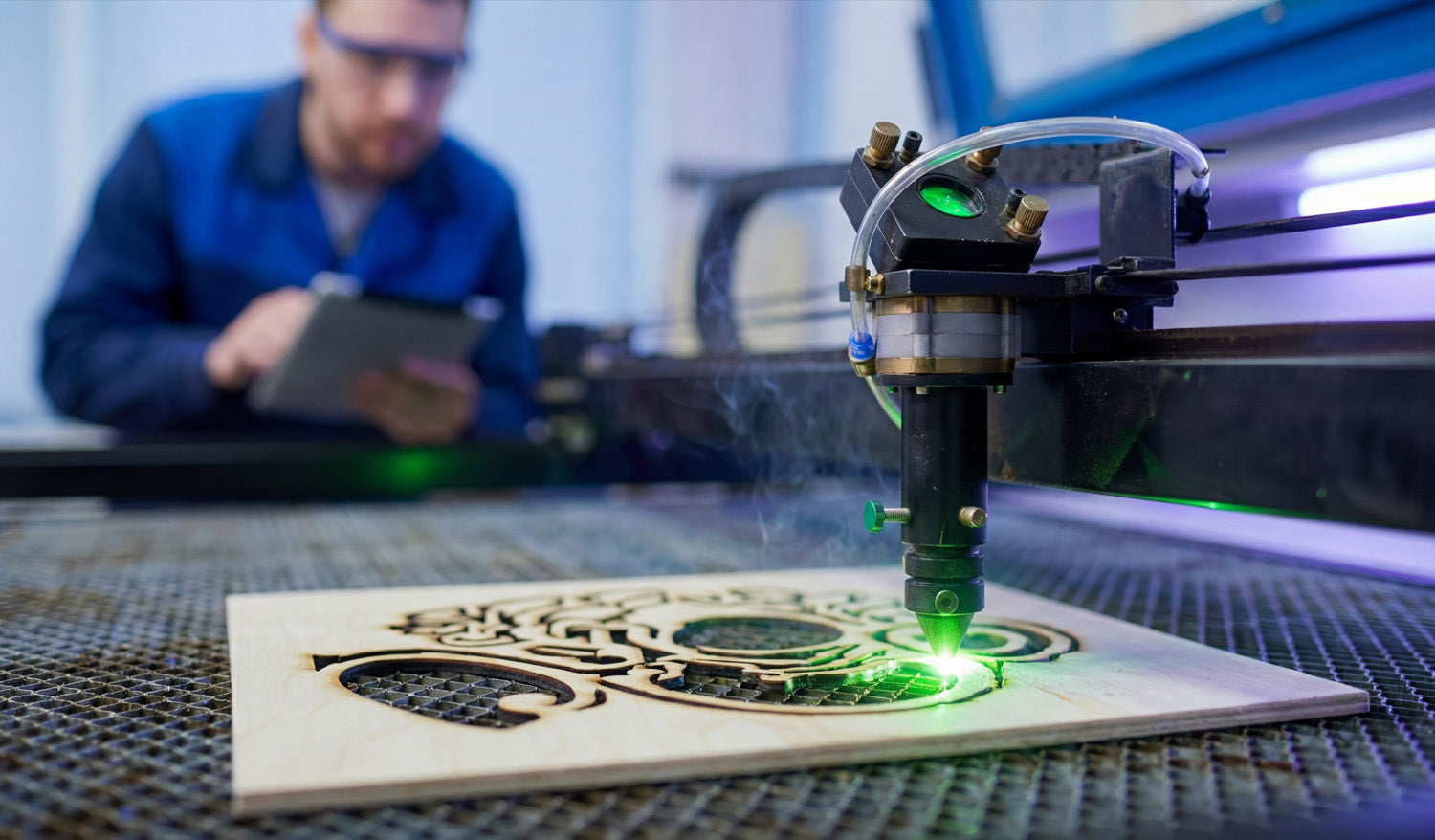
Operating a successful CNC fabrication business requires more than just owning a machine; it is about mastering the workflow from the digital screen to the finished physical product. Whether you are running a high-definition plasma cutter or a laser machine, the journey starts with a flawless DXF file and ends with meticulous quality control. In this guide, we explore the essential steps to streamline your production process, optimize your cutting parameters to handle intricate designs like scrollwork panels, and ensure that every bent bracket or decorative piece adds real value to your bottom line.
1. It Starts with the Digital Blueprint
As seen on the laptop in our workshop, every project begins with software. Before you even touch a sheet of metal, your DXF file must be optimized. Common issues like open vectors, double lines, or excessive nodes can cause your CNC machine to "stutter," leading to rough edges and wasted material.
To ensure a smooth cut, always run a simulation in your CAM software. If you are looking to test your machine capabilities without risk, you can download some of our Free DXF Files to practice with high-quality, cut-ready vectors.
2. Mastering the Cut: Plasma and Laser Dynamics
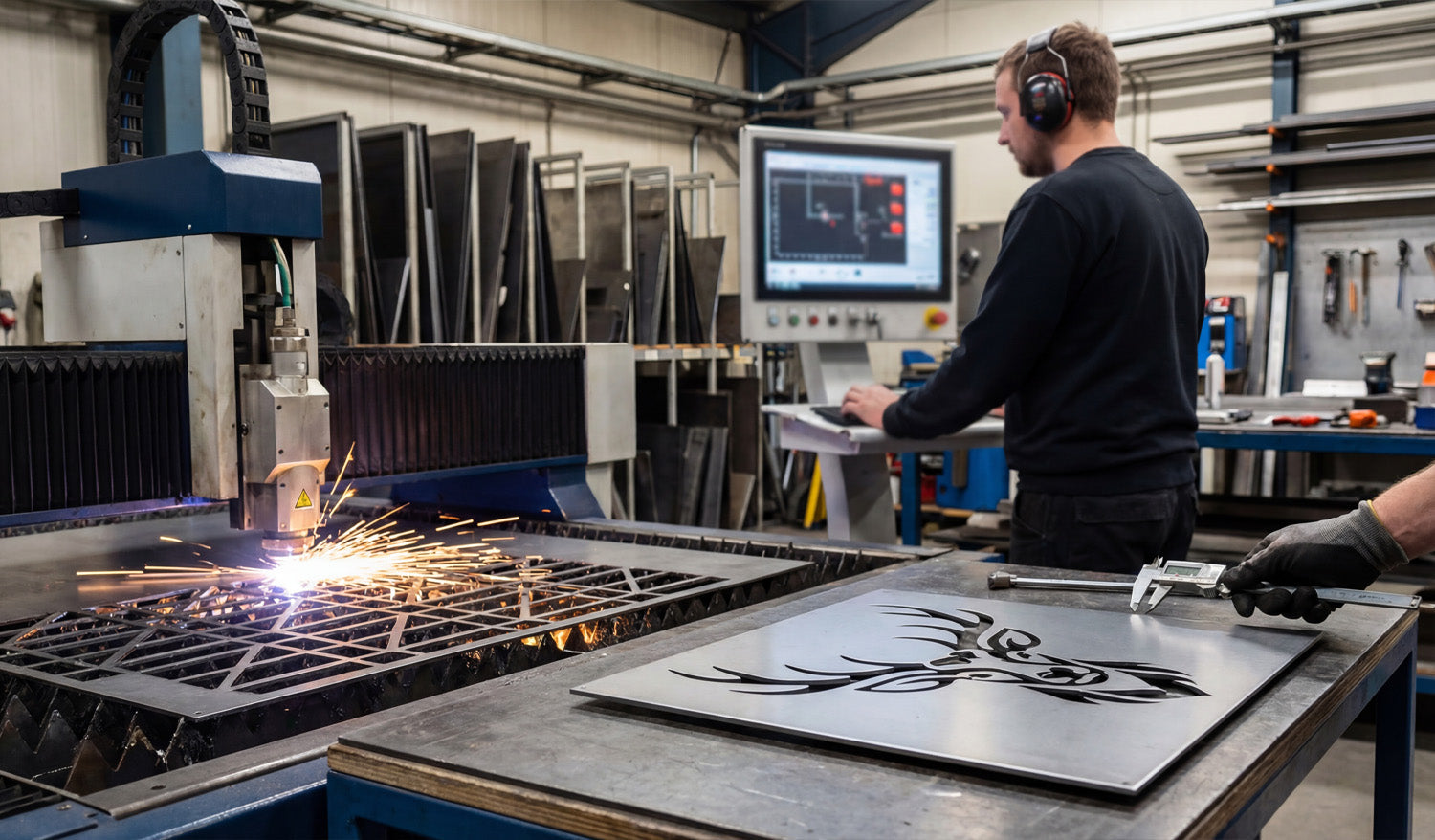
The sparks flying in the workshop represent the critical moment of fabrication. When cutting intricate decorative panels—like the scrollwork design shown on the table—precision is key. Here are a few CNC tips to maintain quality:
- Speed vs. Quality: For detailed art pieces, slow your machine down slightly to minimize dross (slag) on the corners.
- Pierce Delay: Ensure your pierce delay is set correctly for the material thickness to prevent molten metal from splashing back onto the torch nozzle.
- Torch Height Control (THC): Keep your THC active. Warping is common in large decorative cuts due to heat; the THC ensures the torch stays at the optimal cutting height despite plate movement.
3. Post-Processing and Quality Control
Notice the operator in the photo inspecting a metal bracket? This is arguably the most important step in the business. A CNC machine cuts the part, but the human eye ensures it is sellable. After the cut, your workflow should include:
- Deburring: Removing sharp edges and dross.
- Bending and Forming: Many profitable products, like shelf brackets or structural supports, require a press brake operation. Accuracy here depends on the precision of the original DXF cut.
- Fitment Check: Always measure your first off-the-line part against your specifications before running the rest of the batch.
4. Turning Metal into Marketable Products
The finished wooden and metal art pieces in the background of the shop demonstrate the versatility of CNC technology. You aren't just selling metal; you are selling home decor, privacy screens, and functional hardware. By utilizing a wide library of designs, such as those found in our Full Access Bundle, you can instantly expand your product catalog without spending hours on design work.
5. Safety and Shop Organization
A productive shop is an organized shop. Keep your raw materials racked safely and your walkways clear. Ensure you have proper ventilation for plasma smoke and proper eye protection for the arc glare. An efficient layout allows you to move from the computer station to the machine, and finally to the assembly table without obstruction.
If you have questions about commercial use or specific file types, feel free to review our License Agreement or Contact Us directly.